

Quick vs. Long Property Sale for Nonprofits: Key Differences and What They Mean for Your Mission
For most not-for-profit boards holding property, a longer sale process delivers better financial returns and stronger mission alignment, but quick sales make sense when cash flow crises threaten core programs or when holding costs exceed the benefit of waiting. The deciding factor comes down to whether your organization can afford the time it takes to find the right buyer at the right price, or whether immediate liquidity matters more than maximizing proceeds.
This decision carries weight far beyond the balance sheet. Community organizations working on climate resilience, clean energy cooperatives expanding access to solar, and environmental justice groups securing land for green spaces face a fundamental tension: property can be a strategic asset that advances mission work, or a financial burden draining resources from frontline programs. Getting the sale timeline wrong means either leaving tens of thousands on the table or watching critical initiatives collapse while waiting for a better offer.
The stakes are particularly high in 2026, as nonprofit real estate decisions ripple through communities already navigating economic uncertainty and the urgent need for climate action. A quick sale might fund an immediate opportunity to purchase renewable energy infrastructure or prevent layoffs of community organizers. A patient approach could attract mission-aligned buyers, preserve community assets, or yield funds for a permanent endowment supporting long-term environmental work.
Board members need a clear framework that cuts through the complexity. Which approach protects your mission? When does speed become a liability? How do successful environmental and community organizations make this choice? Understanding the true costs and benefits of each path, including practical options like working with buyers who sell your house for cash when circumstances demand immediate action, empowers boards to act decisively in service of their communities and the planet.
At-a-Glance: Quick Sale vs. Long Sale for Nonprofit Properties

Understanding how quick and long property sales differ can help nonprofit boards make confident decisions aligned with their mission and community needs. This comparison highlights the trade-offs that matter most when selling organizational assets to fund clean energy programs and environmental justice initiatives.
| Factor | Quick Sale | Long Sale |
|---|---|---|
| Timeline | 30-90 days from listing to close | 6-18 months, sometimes longer |
| Expected Value | 10-20% below market peak; faster access to capital | Closer to full market value with patient negotiation |
| Board Time Commitment | Limited meetings; streamlined decision process | Multiple review sessions; ongoing oversight |
| Community Engagement | Minimal consultation window | Time for stakeholder input and mission-aligned buyer search |
| Best Fit When | Urgent funding needed for solar rollout or policy response | Maximizing proceeds for endowment or finding values-aligned buyer |
The choice between these approaches reflects your organization’s current capacity, funding timeline, and commitment to community partnership. A quick sale delivers immediate resources that might fund emergency weatherization programs or rapid response to clean energy policy opportunities. The longer path protects asset value and creates space for the community voices that make environmental justice work credible and lasting. Both strategies serve nonprofit missions when matched thoughtfully to organizational circumstances and the communities you serve.
What Each Sale Approach Means for Your Organization
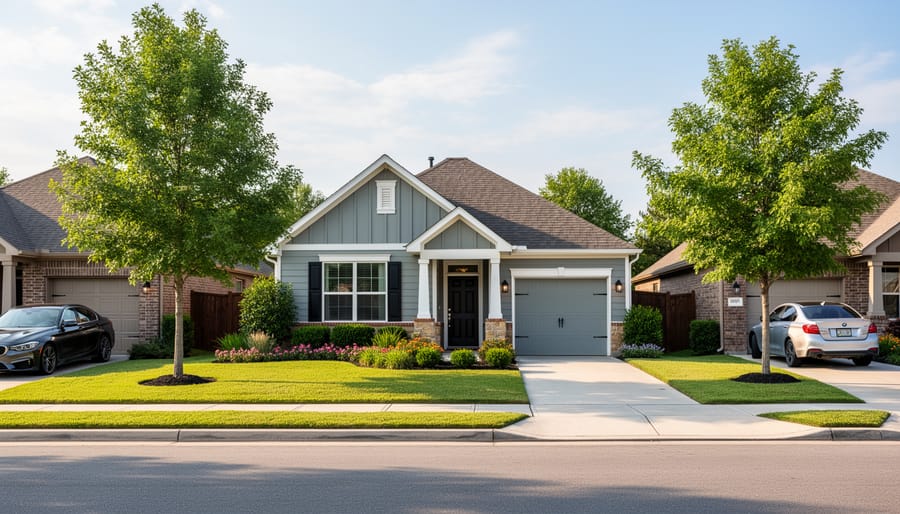
What a Quick Property Sale Looks Like

A quick property sale compresses what might normally take a year into 30 to 90 days. Your board lists the property, accepts an offer, and closes, all within a single quarter. This accelerated timeline means fewer showings, streamlined negotiations, and a buyer who’s ready to move fast with cash or pre-approved financing.
The buyers in quick sales are typically investors, developers, or institutional purchasers looking to add properties to their portfolios. They’re less concerned with finding the perfect fit and more focused on acquiring assets efficiently. These buyers often purchase properties as-is, which means your organization avoids costly repairs or upgrades before closing. You hand over the keys in current condition and move on.
Due diligence gets simplified in fast transactions. While you’ll still need basic inspections and title work, buyers willing to close quickly usually accept abbreviated processes. They might waive contingencies or limit their inspection period to days instead of weeks. This doesn’t mean cutting legal corners, your board still fulfills fiduciary duties, but it does mean fewer rounds of back-and-forth.
Nonprofits choose this path when mission urgency outweighs maximizing every dollar. Perhaps a once-in-a-decade policy window opens for renewable energy funding and you need capital now to launch a solar program. Or community partners are ready to break ground on an environmental justice initiative but waiting for you. Quick sales free up resources when timing matters more than squeezing out the highest possible price.
What a Long Property Sale Involves
A long property sale unfolds over six to eighteen months or more, giving your nonprofit board the time to pursue the highest possible return while finding a buyer whose vision aligns with your clean energy mission. This extended timeline isn’t passive waiting, it’s an active strategic process that positions your property to attract the right partner and maximize proceeds for solar programs, community initiatives, or organizational endowment.
The process begins with comprehensive property assessment and market analysis. Your board works with real estate professionals to understand current market conditions, identify comparable sales, and determine optimal listing price. You’ll invest in professional appraisals, environmental assessments, and any necessary property improvements that could significantly increase value. This upfront work pays dividends when you enter negotiations from a position of strength.
Strategic marketing comes next, often running several months. Rather than accepting the first offer, you actively court buyers who understand and support your environmental justice work. This might mean targeting mission-aligned developers, clean energy companies expanding their footprint, or community land trusts committed to equitable development. Your team crafts marketing materials that tell the property’s story and its potential role in the clean energy transition.
Throughout the sale, you’ll have multiple negotiation phases. Extended timelines allow you to evaluate competing offers not just on price, but on community benefit, future use commitments, and alignment with your organization’s values. You can engage stakeholders, local residents, partner organizations, and program participants, in meaningful dialogue about the property’s future, building trust and ensuring the sale advances rather than undermines your mission.
Comparing Quick and Long Sales Across Key Decision Factors
Financial Return and Asset Maximization
A nonprofit board choosing a quick sale typically accepts 10-20% below market value in exchange for certainty and speed. Cash buyers and investors who purchase properties “as-is” expect this discount to compensate for their risk and rapid closing. By contrast, a long sale process, with professional staging, broad marketing, and patient negotiation, often yields closer to full market value or even premium prices when multiple qualified buyers compete.
The negotiation leverage shifts dramatically between approaches. Quick sales favor buyers who control the timeline and dictate terms, leaving boards with limited room to negotiate price, contingencies, or closing conditions. Long sales allow your organization to vet multiple offers, counter strategically, and select buyers whose vision aligns with your mission, perhaps a developer committed to solar installation or affordable housing that serves your community.
Market timing matters more than many boards realize. A quick sale locks in today’s price regardless of seasonal fluctuations or emerging development interest in your neighborhood. A longer timeline lets you monitor market conditions and adjust strategy when clean energy incentives or zoning changes might increase property value. This matters because sale proceeds directly fund programs: an extra $200,000 from a well-timed sale could power community solar projects for years, while rushed funding timing might leave mission-critical initiatives undercapitalized. The board’s fiduciary duty requires weighing immediate cash needs against the larger resource base that patient asset maximization can deliver.
Timeline and Operational Impact
A quick property sale compresses the entire transaction into 30-90 days, which means staff can return to mission work sooner but must absorb intense due diligence demands alongside their regular responsibilities. Organizations pursuing time-sensitive clean energy grants or responding to policy windows, like new solar incentive programs with application deadlines, often find that rapid liquidation frees up capital exactly when opportunities emerge. However, this compressed timeline leaves little room for unexpected complications, and boards must be prepared to make decisive calls without extensive deliberation.
A longer sale process spreads the workload across 6-18 months, reducing daily operational strain but creating sustained uncertainty that can affect program planning and staff morale. This extended timeline allows boards to wait for strategic buyers who align with the organization’s environmental justice mission, potentially securing partners who will advance solar installations or community energy programs on the property itself. Yet this patience carries costs: maintenance expenses continue accumulating, executive director time remains partially diverted from program delivery, and the organization may miss immediate funding needs for advocacy campaigns or community outreach initiatives that can’t wait another year for proceeds to materialize.
The operational trade-off ultimately centers on whether your board values immediate capacity to act on emerging opportunities or the flexibility to align property disposition with long-term programmatic vision.
Mission Alignment and Community Engagement

A longer sale timeline fundamentally expands your board’s capacity to align property transactions with your organization’s clean energy mission and community values. When you’re not racing against a 60-day close deadline, you can conduct meaningful community engagement to understand how stakeholders view the property’s role in neighborhood resilience and environmental health. This breathing room lets you identify buyers who share your commitment to renewable energy access rather than settling for whoever can close fastest.
The timeline difference shows up most clearly in buyer vetting. A quick sale forces you to accept purchase offers based primarily on financial terms, with little chance to assess whether the buyer will preserve green space, install solar panels, or maintain community access to the site. An extended process allows your board to seek mission-aligned purchasers, perhaps a cooperative that will establish rooftop solar, a developer committed to affordable housing with renewable power, or another nonprofit advancing solar equity in underserved communities.
This alignment directly serves environmental justice goals. When boards take time to engage residents, document community priorities, and write those values into sales agreements, they ensure property transitions strengthen rather than undermine local clean energy progress. The trade-off is real: slower sales mean carrying costs and delayed proceeds. But for organizations whose mission centers community power and climate action, that patience often translates into outcomes no quick transaction could deliver.
Board Governance and Fiduciary Responsibility
When selling nonprofit property, board members must balance two fundamental duties: the duty of care (making informed, deliberate decisions) and the duty of loyalty (acting in the organization’s best interest). The sale timeline you choose directly affects how well you can fulfill both.
A quick sale compresses due diligence into weeks rather than months. Your board still needs independent appraisals, title searches, and legal review, but you’ll have less time to explore alternative buyers or creative deal structures. This approach requires documenting why speed serves the mission, perhaps funding a time-sensitive solar partnership or avoiding mounting maintenance costs that drain program budgets. Boards choosing this path must demonstrate they exercised reasonable care despite the accelerated timeline, which means clear conflict-of-interest policies and transparent voting records become even more critical.
A long sale gives boards breathing room to meet their fiduciary obligations more thoroughly. You can solicit multiple offers, conduct environmental assessments that might reveal opportunities for green development partnerships, and engage stakeholders without rushing community input. This timeline allows for deeper legal review of deed restrictions or covenants that might affect mission alignment, and provides space to structure the sale in ways that advance environmental justice goals, like prioritizing buyers committed to affordable clean energy access.
Both approaches require full board approval and proper documentation. The difference lies in how much time you have to gather information, consider alternatives, and communicate transparently with donors, staff, and the communities you serve.
Which Sale Strategy Is Right for Your Nonprofit Board
When a Quick Sale Serves Your Mission
A quick property sale becomes the strategically sound choice when your nonprofit faces time-sensitive opportunities that matter more than squeezing every dollar from a transaction.
If your organization needs capital now to seize a clean energy policy window, say, matching funds for a state solar grant that expires in sixty days, or launching a community solar project before incentive rates drop, waiting six months for a potentially higher offer means missing the mission entirely. Speed converts the property into immediate program capacity when timing is everything.
Quick sales also make sense when the property itself drains resources your team should spend advancing environmental justice work. If you’re paying $3,000 monthly in maintenance, insurance, and utilities on an unused facility, that’s $36,000 annually not funding solar installations or community engagement. Boards sometimes hold properties hoping for better market conditions while watching mission funds evaporate in carrying costs. An accelerated sale stops the bleeding and redirects those resources toward impact.
Strong buyer interest creates another scenario where speed serves you well. When a developer approaches with a fair all-cash offer and genuine mission alignment perhaps planning workforce housing with rooftop solar, the certainty of closing quickly outweighs the gamble of testing the broader market. You avoid months of showing the property, negotiating with less-committed buyers, and risking deal collapse during extended due diligence.
The clearest signal for a quick sale: when keeping the property one more quarter actively prevents you from doing the clean energy work your community needs today. In those moments, speed is strategy.
When a Long Sale Protects Your Impact
A longer sale timeline becomes strategically valuable when the property transaction itself can amplify your organization’s mission impact. This approach treats the sale not merely as a financial event but as an opportunity to advance clean energy values, deepen community relationships, and secure resources for transformational work.
When your organization faces a major capital need, launching a regional solar cooperative, establishing a community energy fund, or building out programs in underserved neighborhoods, the additional proceeds from a patient sale process can mean the difference between incremental change and systems-level impact. An extra three to six months of strategic marketing and negotiation might yield 15-25% higher sale proceeds, translating to hundreds of thousands of dollars for your clean energy initiatives.
Finding mission-aligned buyers requires time but delivers benefits beyond the transaction. A developer committed to LEED certification, renewable energy installations, or workforce training partnerships extends your organization’s impact well past closing day. These buyers emerge through targeted outreach, relationship-building, and careful vetting that rushed timelines simply cannot accommodate. The property becomes a legacy asset advancing environmental justice even after it leaves your balance sheet.
The community engagement dimension carries particular weight for organizations working in environmental justice communities. A longer timeline allows for transparent communication with neighbors, solicitation of input about future land use, and coordination with community partnerships around redevelopment priorities. This process builds trust, demonstrates accountability to stakeholders, and ensures the sale strengthens rather than undermines local relationships that your ongoing programs depend upon.
Complex properties, those with zoning challenges, environmental remediation needs, or highest-and-best-use questions, often require extended timelines to unlock their full value. Working through permitting, environmental assessments, or rezoning applications can substantially increase proceeds while positioning the property for development that aligns with climate goals.
Success Stories: How Clean Energy Nonprofits Have Navigated Property Sales
A Mid-Atlantic solar advocacy group faced a tough call in 2024 when a state legislature suddenly opened funding for community solar grants, but applications were due in 90 days. The organization owned a small office building they’d planned to sell eventually, but “eventually” became “right now” when they realized a quick sale could unlock the matching funds needed to secure a $2 million grant. They accepted an investor’s cash offer at roughly 15% below market value, closed in 45 days, and used the proceeds to launch three solar installations in underserved neighborhoods. The board chair later reflected that the foregone sale price was minor compared to the transformational community impact they’d have missed by waiting for a higher offer.
Contrast that with a West Coast environmental justice nonprofit that took eighteen months to sell a donated warehouse property. Rather than rushing, the board used the time to identify a buyer whose plans aligned with their mission: a worker-owned cooperative developing green building materials. The extended timeline allowed for community input sessions, resulted in a sale price 22% above the initial appraisal, and led to a partnership where the co-op now supplies materials for the nonprofit’s weatherization program. The board leveraged policy windows differently, they had stable funding and chose to wait for mission fit over speed.
A Midwest clean energy coalition split the difference. When their lease ended unexpectedly, they needed to sell their building within six months but refused to sacrifice values for timeline. They worked with a mission-aligned broker, accepted a slightly lower offer from a developer committed to LEED certification and local hiring, and closed in four months. The sale funded their grid modernization advocacy work while ensuring the property’s next chapter supported green jobs.
Each organization made the right choice for their circumstances, proving that success isn’t about following a universal playbook, it’s about honest assessment of mission needs, market realities, and community accountability.
What Each Option Is

A quick property sale for a nonprofit means completing the transaction in 30 to 90 days, usually by accepting an all-cash offer from an investor or developer. The board prioritizes speed over maximizing price, often trading a 10-20% discount for immediate liquidity. This approach involves minimal marketing, streamlined due diligence, and fewer negotiation rounds.
A long property sale extends the process to six months or beyond, sometimes reaching 18 months for complex properties. The organization lists the property publicly, engages real estate professionals, markets to multiple buyer pools, and conducts thorough vetting of potential buyers. Boards choose this path to capture full market value, find mission-aligned purchasers, and allow time for community input.
The fundamental difference isn’t just timeline. Quick sales exchange certainty and speed for discounted proceeds. Long sales trade time and effort for maximum financial return and strategic fit. Neither approach is inherently superior, each serves different organizational needs at different moments in a nonprofit’s journey.
Dimension-by-Dimension Comparison
Every nonprofit property sale forces boards to weigh competing priorities. A quick sale delivers immediate capital but limits price negotiation. A longer timeline opens doors to mission-aligned buyers yet demands staff capacity your organization may not have. Understanding how each approach performs across critical decision factors helps boards choose the path that serves both financial health and community impact.
Speed versus return creates the fundamental tension. Quick sales typically yield 10-15% below market value because buyers expect a discount for certainty and pace. You gain liquidity in weeks, but you sacrifice the premium that patient marketing and competitive bidding generate. Long sales maximize proceeds through strategic positioning and multiple offers, though carrying costs and delayed capital access erode some of that advantage.
Community engagement shifts dramatically between timelines. A 60-day close leaves little room for stakeholder input or finding buyers who will advance clean energy goals on the property. Extended sales allow meaningful dialogue with neighbors, partner organizations, and mission-aligned developers who might convert the site to solar gardens or affordable green housing, outcomes that reinforce your organization’s environmental justice work beyond the transaction itself.
Who Should Choose Which
Choose a quick sale if your nonprofit faces immediate financial pressure, a budget shortfall that threatens program continuity, an urgent opportunity to expand solar installations while incentives remain available, or mounting maintenance costs that drain resources from mission work. Quick sales also make sense when your property sits in a hot market where investor demand is strong, or when your board lacks capacity for prolonged negotiations while managing critical clean energy initiatives.
Opt for a long sale when your organization can afford patience in exchange for better alignment and higher returns. This approach fits nonprofits building an endowment, seeking buyers who will continue environmental work on the property, or navigating community concerns about development impact. Long sales work best when your property has unique value that takes time to recognize, perhaps zoning potential for renewable energy projects, or location advantages that mission-aligned developers will pay premium prices to access.
The right choice hinges on whether your greatest risk is moving too slowly and missing opportunities, or moving too fast and leaving mission impact on the table.
Quick vs Long Property Sale for Nonprofits Terms to Know
- As-Is Sale
- A property sale where the nonprofit sells without making repairs or improvements, accepting a lower price in exchange for faster closing and reduced carrying costs. Common in quick sale scenarios when organizations need immediate capital for mission work.
- Mission-Aligned Buyer
- A purchaser whose intended property use advances environmental justice, clean energy access, or community development goals consistent with the selling organization’s values. Finding these buyers typically requires longer marketing timelines and stakeholder engagement.
- Due Diligence Period
- The contractual window when buyers investigate property condition, zoning, environmental assessments, and title issues before finalizing purchase. Quick sales compress this to 10-30 days; traditional sales allow 60-90 days or more.
- Unrestricted Proceeds
- Sale revenue available for any organizational purpose without donor or legal restrictions. Boards often prioritize converting property to unrestricted funds that can support solar programs, advocacy campaigns, or operating reserves.
- Fair Market Value (FMV)
- The price a property would sell for between willing, informed parties in an open market. Nonprofits must document FMV for IRS reporting, particularly when sales involve related parties or below-market transactions.
Understanding these concepts helps boards navigate property decisions with clarity about the trade-offs each sale approach requires. Whether pursuing speed or strategic positioning, knowing the terminology strengthens governance discussions and ensures all decision-makers share a common framework for evaluating options that serve both immediate needs and long-term mission impact.
Common Questions Nonprofit Boards Ask About Property Sales
Board members frequently grapple with practical questions when weighing property sale decisions, especially when balancing fiduciary duty against mission urgency. The answers often depend on your organization’s specific circumstances, but understanding the common considerations helps boards make informed choices that serve both immediate needs and long-term impact.
How can we determine fair market value quickly without compromising accuracy?
Request comparative market analyses from two or three commercial real estate agents familiar with nonprofit property sales, which typically takes 5-7 days and costs nothing. For properties with unique mission-related features like solar installations or community gathering spaces, consider a formal appraisal to capture value that standard comparisons might miss.
What tax implications should 501(c)(3) organizations consider when selling property?
Nonprofit property sales are generally exempt from capital gains tax, but you may owe unrelated business income tax if the property was debt-financed or used for non-exempt purposes. Consult with a CPA experienced in nonprofit taxation before finalizing any sale to understand your specific reporting obligations and potential liabilities.
How should we communicate a property sale decision to donors and community partners?
Lead with mission impact by explaining how the sale advances your clean energy work, share the decision-making process to demonstrate thoughtful governance, and acknowledge community connections to the property while emphasizing future opportunities. Transparency about whether you chose speed or strategic patience builds trust and helps supporters understand the trade-offs.
Can boards shift from a long sale strategy to a quick sale if circumstances change?
Yes, boards can pivot strategies, though it may affect credibility with prospective buyers and require renegotiating terms. Document the reasons for the change, such as an urgent funding need for a solar expansion or an unexpected strong offer, and communicate the shift clearly to stakeholders to maintain confidence in board decision-making.
Timing questions often center on market conditions and organizational readiness. Boards wonder whether waiting for a better market makes sense when current programs need funding. The answer depends on your financial reserves and mission urgency, if delaying the sale threatens core programs like solar installations for underserved communities, speed takes priority over potential market gains. Conversely, if you can sustain operations for another year, waiting out a buyer’s market might yield proceeds that fund initiatives for a decade.
Valuation concerns extend beyond simple price comparisons. Nonprofit boards need to consider whether potential buyers will honor any deed restrictions, preserve community access, or continue environmental stewardship. A higher offer from a conventional developer might look attractive financially, but selling to a mission-aligned buyer at a slightly lower price could advance your clean energy values and maintain community relationships that support your broader work.
Community trust questions arise because property often represents more than real estate, it symbolizes your organization’s commitment to place and people. Maintaining that trust requires honest communication about why you’re selling, what alternatives you considered, and how the proceeds will accelerate your mission. Share the decision timeline with community partners early, invite input where appropriate, and be transparent about constraints that limit your options.
The decision to pursue a quick or long property sale isn’t a binary choice between right and wrong, it’s a strategic alignment question that only your board can answer. Your organization’s mission timeline, current funding landscape, and relationship with the communities you serve all shape which path will strengthen rather than compromise your work.
Some nonprofits need immediate capital to seize fleeting policy opportunities or respond to urgent community needs, making a quick sale the mission-aligned choice despite leaving money on the table. Others serve their purpose better by taking time to find buyers who will advance environmental justice goals on that same property, or by waiting for market conditions that maximize proceeds for long-term program endowment. Both approaches can be responsible stewardship when they’re grounded in your organization’s unique circumstances and values.
What matters most is bringing intention to the process. Engage your community stakeholders early, examine how each timeline affects your capacity to deliver on clean energy commitments, and ensure the decision reflects your fiduciary duty to both financial sustainability and mission impact. The property sale itself isn’t the goal, it’s a tool that should free your organization to do what it does best.
When nonprofit boards make thoughtful, values-driven property decisions, they unlock resources that power real change: more rooftops covered with solar panels, more families gaining energy independence, more communities building wealth through the clean energy transition. Your property sale, whether swift or deliberate, can become one more step toward the equitable, 100% clean energy future we’re all working to create. That’s the measure of success.